
Physiotherapy for Knee Ligament Injuries
Physiotherapy for Knee Ligament Injuries in Nearby Area
Knee ligaments are strong bands of connective tissue that play a crucial role in maintaining the stability and proper movement of the knee joint. These ligaments connect the thigh bone (femur) to the lower leg bones (tibia and fibula), helping the knee bend, rotate, and support your body during everyday activities such as walking, running, and climbing stairs. Because the knee is one of the most active and load-bearing joints, its ligaments are highly vulnerable to injuries caused by sudden twists, falls, sports activities, or accidents.
The major knee ligaments include the ACL, PCL, MCL, and LCL, each responsible for controlling different types of movement and preventing excessive strain on the joint. When any of these ligaments are stretched or torn, it can lead to pain, swelling, instability, and difficulty walking. At Progressive Physiotherapy & Geriatrics Rehabilitation, our experts provide comprehensive assessment and personalized rehabilitation to restore knee strength, stability, and full function after ligament injuries.
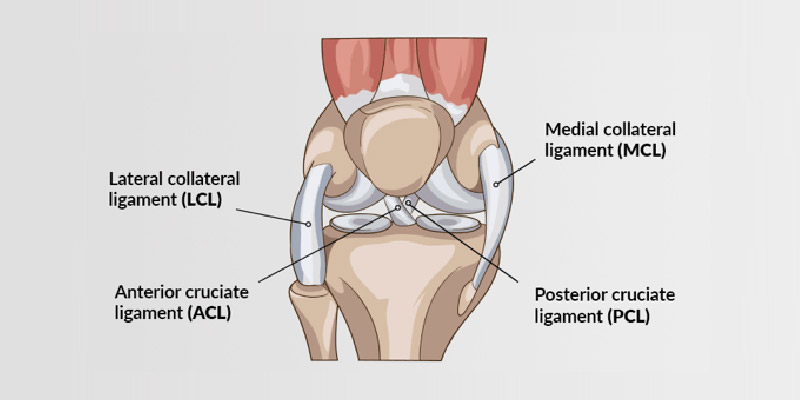
Types of Knee Ligaments
Your knee has four major ligaments that provide strength and stability:
-
Anterior Cruciate Ligament (ACL)
-
Posterior Cruciate Ligament (PCL)
-
Medial Collateral Ligament (MCL)
-
Lateral Collateral Ligament (LCL)
Causes of Knee Ligament Injuries
A tear or sprain in any of these ligaments is considered a ligament injury. Each ligament can be affected due to different types of trauma:
ACL Injury:
The ACL is the most frequently injured ligament. It often occurs during sports involving sudden stops, quick direction changes, jumping, or landing—common in basketball, football, and skiing.
PCL Injury:
PCL injuries are less common and usually occur due to a direct blow to the knee. They are often associated with road accidents or forceful impact to the front of the knee.
MCL Injury:
An MCL tear typically happens when pressure is applied to the outside of the knee, pushing it inward. This is especially common in contact sports like football.
LCL Injury:
LCL injuries occur when force pushes the knee outward from the inside, placing stress on the outer part of the joint.
Symptoms of Ligament Injury
-
Sudden and severe pain
-
A popping or snapping sound at the time of injury
-
Swelling shortly after the injury
-
Knee instability or looseness
-
Difficulty putting weight on the leg
Treatment at Progressive Physiotherapy & Geriatrics Rehabilitation
For mild to moderate ligament injuries, our expert physiotherapists provide targeted rehabilitation to reduce pain, restore stability, and improve joint strength. With a personalized treatment plan, most ligament sprains recover effectively without surgery.
In severe cases, where the ligament is completely torn or overstretched, reconstructive knee surgery may be required. After surgery, our skilled physiotherapy team helps you regain mobility, rebuild strength, and ensure a faster, safer return to your daily activities and sports.