
Physiotherapy for Cerebral Palsy
Physiotherapy for Cerebral Palsy in Nearby Area
Cerebral palsy (CP) is a neurological condition that affects a child’s ability to move, maintain posture, and control balance. The term cerebral refers to the brain, while palsy describes the loss or impairment of motor function. CP typically develops during infancy or early childhood due to damage or abnormalities in the developing brain. This disruption affects how the brain communicates with the muscles, leading to challenges in coordination, muscle tone, and body movement.
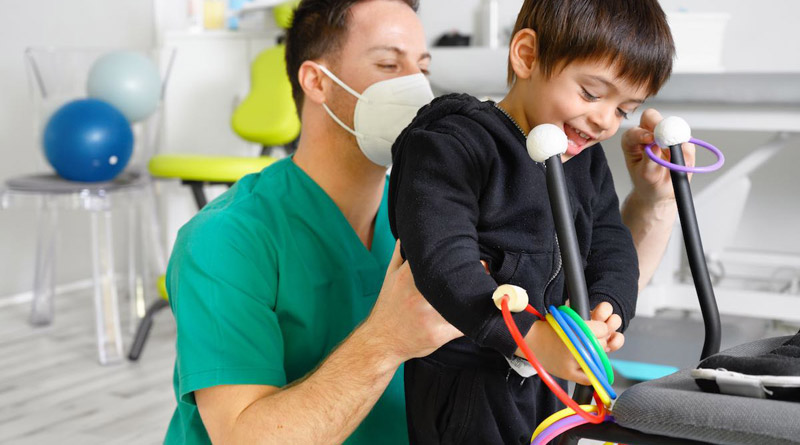
At Progressive Physiotherapy & Geriatrics Rehabilitation, we understand that every child with cerebral palsy has unique needs. Our specialized team provides comprehensive physiotherapy interventions designed to improve mobility, enhance muscle strength, promote better posture, and support overall functional independence. Early and consistent physiotherapy can significantly improve motor skills, reduce complications, and help children participate more confidently in daily activities. Our goal is to offer compassionate, evidence-based care that supports long-term physical and emotional well-being.
Types & Clinical Features –
Four main types of CP :
1. Spastic cerebral palsy – is the most common. People have stiff muscles and awkward movements. Forms of spastic cerebral palsy include:
- Spastic hemiplegia/hemiparesis typically affects the arm and hand on one side of the body, but it can also include the leg. Children with spastic hemiplegia generally walk later and on tip-toe because of tight heel tendons.
- Spastic diplegia / diapresis involves muscle stiffness that is mainly in the legs and less severely affects the arms and face, although the hands may be clumsy. Tendon reflexes in the legs are hyperactive. Tightness in certain leg muscles makes the legs move like the arms of a scissor.
- Spastic quadriplegia/quadriparesis is the most severe form of cerebral palsy. Children will often have severe stiffness in their limbs but a floppy neck. They are rarely able to walk. Speaking is difficult. Seizures can be frequent and hard to control.
Speech is delayed and, but intelligence is usually normal.
2. Dyskinetic cerebral palsy (also includes athetoid, choreoathetoid, and dystonic cerebral palsies) is characterized by slow and uncontrollable writing or jerky movements of the hands, feet, arms, or legs. Hyperactivity in the muscles of the face and tongue makes some children grimace or drool, difficult to sit straight or walk, problems in hearing, controlling their breathing, and/or coordinating the muscle movements required for speaking. Intelligence is rarely affected.
3. Ataxic cerebral palsy affects balance and depth perception, poor coordination and walk unsteadily with a wide-based gait, difficulty with quick or precise movements, such as writing or buttoning a shirt, or a hard time controlling voluntary movement such as reaching for a book.
4. Mixed types of cerebral palsy refer to symptoms that don’t correspond to any single type of CP but are a mix of types. For example, a child with mixed CP may have some muscles that are too tight and others that are too relaxed, creating a mix of stiffness and floppiness.
Physiotherapy Treatment –
1. Passive Stretching
It is a manual application for spastic muscles to relieve soft tissue tightness. Manual stretching may increase range of movements, reduce spasticity, or improve walking efficiency in children with spasticity. The types of stretching used include:
- Fast / Quick
- Prolonged.
- Maintained.
2. Joint Rotation – mainly neck, shoulder, hip, ankle & help to reduce stiffness and increase circulation.
3. Stretching – calf stretching improve stiffness in calf and toe walking, quadriceps stretching because in CP knee get stiff and bed inward, hamstrings stretch.
4. Shoulder flexion
5. Arm across the chest- Swing one arm over your chest, holding it in place with the other. Gently squeeze the arm towards your body to tighten the wrap around the chest. Hold for 20-30 seconds before switching sides.
6. Trunk twist- in standing or sitting
7. Leg Rotation- hip stable leg and neck rotate in opposite direction.
8. Bridging/ Single leg bridging
9. Cobra position – lie on stomach, it increases the mobility of the spine, strengthens spinal support muscles.
10. Resistance band exercises – hip flexion extension, abduction adduction.
11. Dynamic quadriceps- in sitting position
12.Dorsiflexion and Plantar flexion with resistance band
13.Squats- with support of chair
14. Core stability exercises- lie on swiss ball on stomach
15. Balance and coordination exercises- Normal walk, Tandem walk, sideways walk