
Physiotherapy for Scoliosis
Physiotherapy for Scoliosis in Nearby Area
Scoliosis is a condition characterized by an abnormal sideways curvature of the spine, which can affect individuals of any age. While many cases are mild and may not require immediate treatment, severe scoliosis can cause the spinal curve to worsen over time, potentially impacting posture, mobility, and, in children, normal growth and development. Scoliosis can develop due to a variety of causes. Certain neurological or muscular conditions, such as cerebral palsy and muscular dystrophy, are common contributors. In many cases, however, the exact cause is unknown, which is referred to as idiopathic scoliosis.
At Progressive Physiotherapy & Geriatrics Rehabilitation, our experienced physiotherapists provide thorough assessments to monitor the curvature and determine the appropriate intervention. Physiotherapy can help improve spinal alignment, strengthen supporting muscles, reduce discomfort, and enhance overall posture and mobility. Early detection and tailored therapy are key to managing scoliosis effectively and maintaining long-term spinal health.
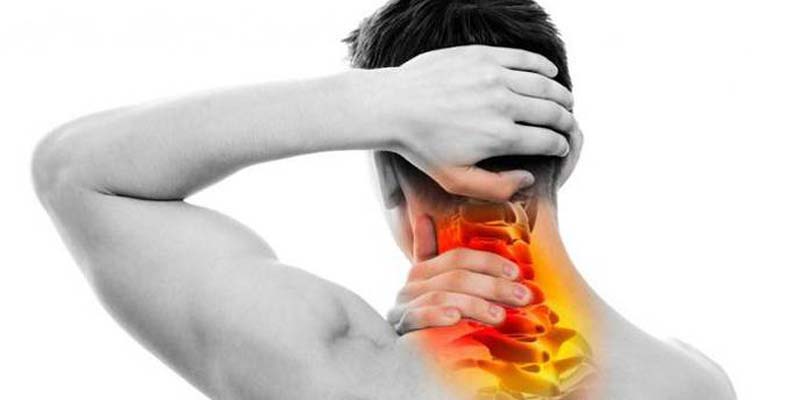
Causes of Scoliosis
In most cases, the exact cause of scoliosis is unknown; this is referred to as idiopathic scoliosis, which cannot be prevented. Less commonly, scoliosis may develop due to:
-
Neuromuscular conditions such as cerebral palsy, muscular dystrophy, spinal muscular atrophy, or spina bifida
-
Congenital spine abnormalities present at birth
-
Injury or infection affecting the spine
-
Spinal cord abnormalities
Symptoms of Scoliosis
Scoliosis can be identified through several visible signs:
-
Uneven shoulders or hips
-
One side of the rib cage protruding forward
-
Leaning of the body to one side
-
Visible curvature of the spine
-
Prominent ribs on one side
If you notice any of these symptoms, it is important to consult a doctor for evaluation.
Treatment of Scoliosis
Treatment depends on the patient’s age, severity of the spinal curve, and the likelihood of progression:
Bracing:
Braces are effective for growing children with curves between 25° and 40°. Proper fitting and consistent wear (15–23 hours daily) can prevent further progression in up to 80% of cases.
Surgery:
Recommended for severe curves over 40° or if bracing is ineffective. Surgery may be performed via an anterior (front) or posterior (back) approach, depending on the case.
Physiotherapy for Scoliosis
Physiotherapy is a key non-surgical approach to manage scoliosis. Our physiotherapists focus on:
-
Correcting abnormal spinal curvature
-
Strengthening supporting muscles
-
Improving posture and flexibility
-
Reducing pain and discomfort
Treatment is tailored to the severity of the condition—mild, moderate, or severe—ensuring a safe and effective rehabilitation plan for long-term spinal health.