
Physiotherapy for Bell’s Palsy
Physiotherapy for Bell’s Palsy in Nearby Area
Bell’s Palsy is a neurological condition that causes sudden weakness or paralysis on one side of the face. In rare cases, both sides of the face may be affected. This condition occurs when the facial nerve, also known as cranial nerve VII, becomes inflamed, compressed, or damaged, disrupting its ability to communicate with the muscles responsible for facial expressions.
Bell’s palsy is the most common cause of facial paralysis and can affect anyone, regardless of age. Symptoms may include drooping of one side of the face, inability to close the eye, loss of facial expression, drooling, altered taste, and sometimes pain around the jaw or behind the ear.
At Progressive Physiotherapy & Geriatrics Rehabilitation, our expert physiotherapists provide specialized interventions to support recovery from Bell’s palsy. Physiotherapy focuses on facial muscle exercises, massage, and neuromuscular stimulation to restore muscle strength, improve symmetry, reduce stiffness, and accelerate functional recovery, helping patients regain confidence and normal facial function.
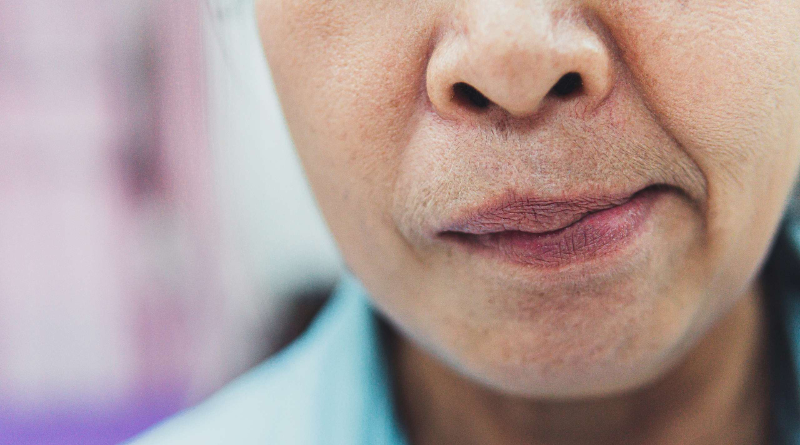
Clinical Features of Bell’s Palsy
Bell’s palsy can present with several noticeable signs, including:
-
Sudden weakness or paralysis on one side of the face
-
Drooping of the mouth and eyebrow
-
Facial pain or abnormal sensations
-
Drooling from one side of the mouth
-
Difficulty closing one eyelid, leading to dryness
-
Excessive tearing in one eye
-
Pain around the jaw or behind the ear
Causes and Risk Factors
The exact cause of Bell’s palsy remains unclear, but inflammation and swelling of the facial nerve (cranial nerve VII) are believed to play a role. Possible triggers include dormant viral infections (like herpes simplex or chickenpox), immune system impairment, Lyme disease, or damage to the myelin sheath.
Risk factors include pregnancy, preeclampsia, obesity, hypertension, diabetes, and upper respiratory infections.
Advice for Recovery
-
Perform regular facial exercises
-
Apply moist heat to relieve pain and stiffness
-
Gently massage affected areas and keep the face warm
-
Maintain a balanced diet rich in leafy greens and vitamins B6, B12, and zinc
-
Practice stress management and relaxation exercises
-
Protect and moisturize the affected eye; tape it closed while sleeping or wear protective goggles
-
Eat food in small pieces on the comfortable side of the mouth
Physiotherapy Treatment
At Progressive Physiotherapy & Geriatrics Rehabilitation, physiotherapy interventions include:
-
Electrical Stimulation: 30 contractions to restore muscle function
-
Galvanic Stimulation: Targets weakened facial muscles
-
Faradic Stimulation: Stimulates the facial nerve trunk to improve nerve conduction
These treatments, combined with targeted exercises, help restore facial symmetry, reduce stiffness, and promote faster recovery.