
Physiotherapy for Knee Pain
Physiotherapy for Knee Pain in Nearby Area
The knee is the largest and one of the most complex joints in the human body. It connects the thigh bone, shin bone, fibula, and kneecap, working together to support your body weight and allow smooth movement. Because of its structure and constant use, the knee is highly vulnerable to pain and discomfort. People commonly experience knee pain due to several reasons, including injuries such as ligament tears, meniscus damage, or sprains. Other major causes include arthritis, age-related wear and tear, overuse, muscle imbalances, and mechanical problems like improper alignment. Certain medical conditions can also affect knee function and lead to chronic pain.
At Progressive Physiotherapy & Geriatrics Rehabilitation, we focus on identifying the exact cause of your knee pain through detailed assessment. Our physiotherapy experts design personalized treatment plans to reduce pain, improve joint stability, enhance mobility, and help you return to your daily activities comfortably and confidently.
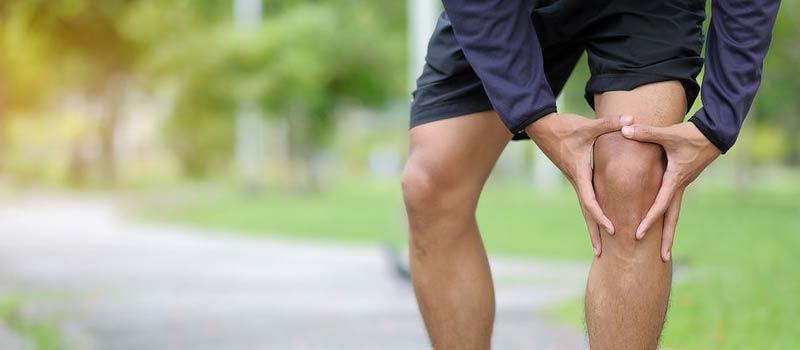
Causes of Knee Pain
Knee pain can occur due to several reasons. Below are some of the most common causes:
1. Injuries:
Knee injuries are one of the leading causes of pain. Common injuries include ACL tears, fractures, torn meniscus, knee bursitis, sprains, strains, and patellar tendinitis. These conditions often result from sudden impact, twisting, or overloading the joint.
2. Arthritis:
Various forms of arthritis can affect the knee. The most common types include osteoarthritis, rheumatoid arthritis, gout, pseudogout, and septic arthritis. These conditions cause inflammation, stiffness, and reduced knee mobility.
3. Overuse / Repetitive Stress:
Activities like running, cycling, or frequent stair climbing can overwork the knee joint. Pain usually appears around or behind the kneecap and may extend toward the thigh or shin.
4. Aging:
With age, the knee joint undergoes natural wear and tear. Cartilage degeneration and the formation of bony growths (osteophytes) can lead to chronic pain and stiffness.
5. Mechanical Problems:
Structural issues such as loose bodies, iliotibial band syndrome, dislocated kneecap, or pain originating from the hip or foot can trigger knee pain.
6. Medical Conditions:
Certain conditions also contribute to knee pain:
Gout: Uric acid crystal buildup causing severe inflammation.
Bursitis: Inflammation of the bursae, which cushion the joint.
Infections: Though rare, joint infections can lead to sudden and severe knee pain.
Symptoms of Knee Pain
Recognizing knee pain symptoms early is essential for proper treatment. Common symptoms include:
Pain: The most noticeable and frequent sign of knee issues.
Swelling: Inflammation or fluid buildup around the knee joint.
Stiffness: Difficulty bending, straightening, or moving the knee smoothly.
Redness & Warmth: Indicators of inflammation or underlying joint irritation.
Clicking or Popping Sounds: Audible clicking or popping during movement may signal joint problems and should be evaluated by a physiotherapist or orthopedic specialist.
Treatment for Knee Pain
The right treatment depends on the underlying cause and severity of the knee pain. Effective treatment options include:
Rest: Reducing physical activity helps prevent further strain. In some cases, crutches or a knee brace may be advised for better support.
Ice Therapy: Applying ice packs reduces swelling, inflammation, and discomfort—especially in the early stages.
Physiotherapy: A physiotherapist creates a customized exercise program to strengthen knee-supporting muscles, improve flexibility, and restore joint function.
Pain Relief Medications: Medicines such as ibuprofen, naproxen, or acetaminophen can help manage pain and inflammation. Always follow medical guidance.
Supportive Devices: Braces, knee sleeves, and orthotic insoles can provide added stability and reduce pressure on the knee.
Surgery: In cases of severe injury or advanced joint damage, procedures like arthroscopy or knee replacement may be recommended.
How Physiotherapy Helps Reduce Knee Pain
Physiotherapy is a highly effective and non-invasive approach to managing knee pain by targeting its root causes and improving joint function. Here are the key ways physiotherapy can help:
1. Pain Management:
Physiotherapists use evidence-based techniques such as ice or heat therapy to reduce inflammation and relieve pain. Modalities like TENS (Transcutaneous Electrical Nerve Stimulation) are also used to control pain safely and effectively.2. Manual Therapy:
Hands-on techniques help improve joint mobility, reduce stiffness, and restore smooth movement. Soft tissue massage further releases muscle tension around the knee, enhancing function and reducing discomfort.3. Strengthening Exercises:
Exercise is one of the most important components of knee rehabilitation. Targeted strengthening and mobility exercises improve muscle support around the knee, increasing stability and reducing the risk of future injuries.4. Patient Education:
Physiotherapists guide patients on correct posture, movement patterns, and joint protection techniques to minimize stress on the knee during everyday activities.5. Customized Treatment Plans:
Each treatment program is tailored based on the individual’s condition, ensuring focused and effective recovery.6. Bracing and Support:
When needed, supportive devices such as braces or knee sleeves are recommended to enhance joint stability.7. Home Exercise Programs:
Patients receive personalized home exercises to continue strengthening and maintain long-term knee health.At Progressive Physiotherapy & Geriatrics Rehabilitation, we offer expert physiotherapy care for all types of knee pain. Feel free to contact us and book an appointment for professional assessment and treatment.